Article: electric pedicure tool for smooth feet
electric pedicure tool for smooth feet
What Is an Electric Pedicure Tool?
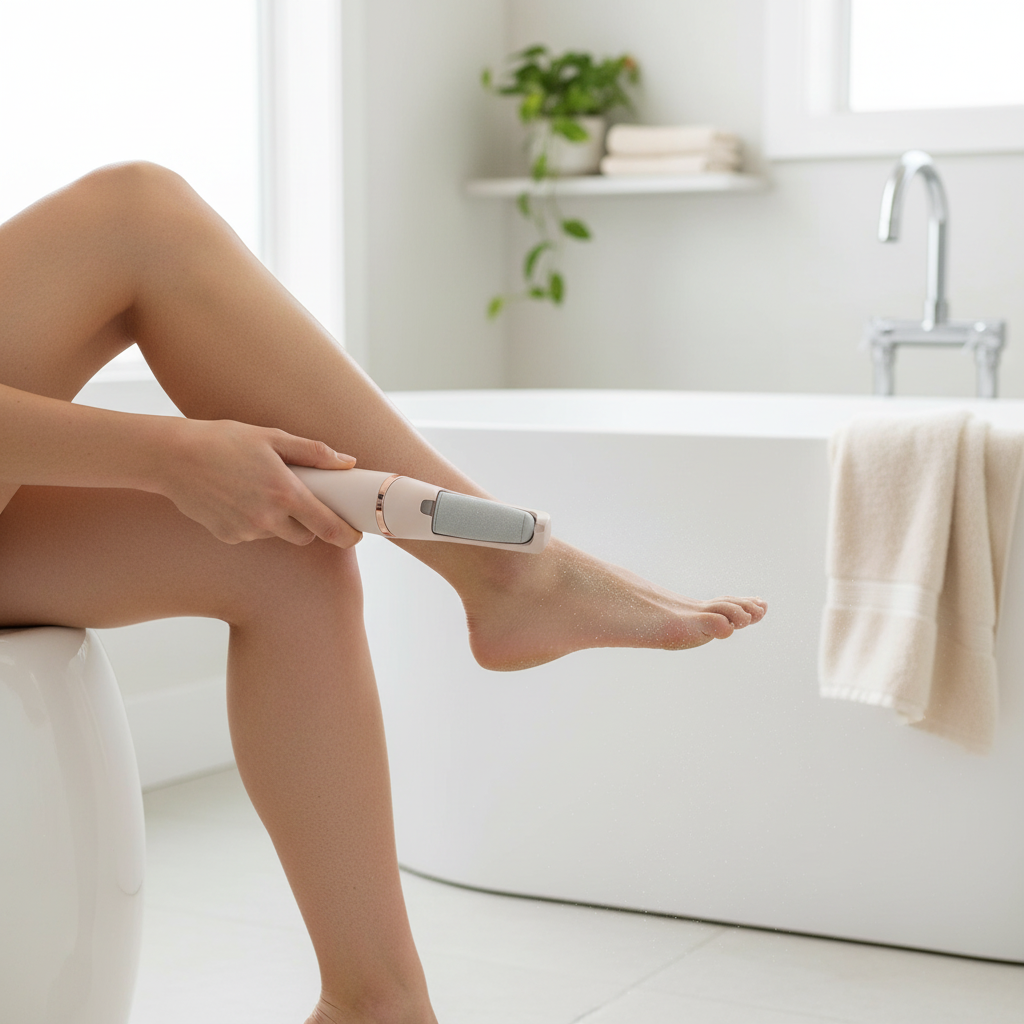
An electric pedicure tool is a handheld device designed to remove dead skin, calluses, and rough patches from your feet with minimal effort. Unlike traditional pumice stones or manual files, these battery-powered or rechargeable tools use gentle vibration or rotating heads to exfoliate and smooth your skin efficiently. They're perfect for anyone looking to maintain soft, healthy feet at home without frequent salon visits.
Why Your Feet Need Regular Care
Your feet carry you through life, yet they're often neglected in daily skincare routines. Dead skin buildup, calluses, and rough patches develop naturally due to friction, pressure, and environmental factors. When left untreated, these issues can lead to discomfort, cracked heels, and even infections. Regular foot exfoliation keeps your skin smooth, prevents complications, and improves overall foot health.
Common Foot Problems That Electric Tools Address
Electric pedicure tools effectively tackle several common foot concerns. Calluses form on pressure points like heels and the balls of your feet. Dead skin accumulation makes feet look dull and feel rough. Cracked heels occur when moisture is lost and skin becomes inflexible. These tools gently remove these layers, revealing softer skin underneath and restoring your feet's natural appearance.
How Electric Pedicure Tools Work
Most electric pedicure tools operate using one of two mechanisms: micro-vibration or rotating abrasive heads. Micro-vibration models use rapid oscillations to gently buff away dead skin without causing irritation. Rotating head models spin at controlled speeds, similar to an electric toothbrush, providing consistent exfoliation. Both methods are gentler than manual scrubbing and deliver faster, more uniform results.
Key Features to Look For
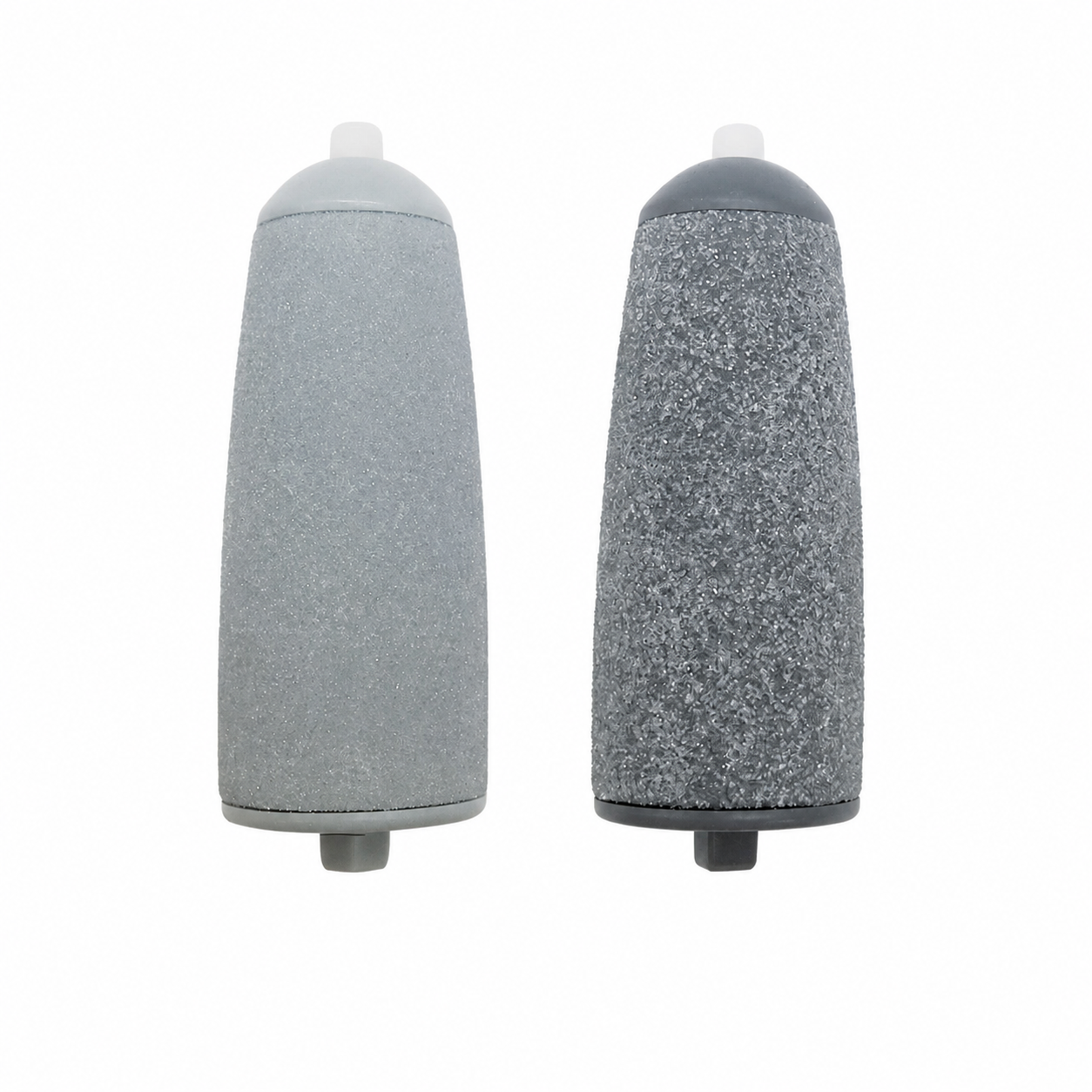
When choosing an electric pedicure tool, consider several important features. Look for adjustable speed settings so you can customize intensity based on your skin sensitivity. Battery life matters—rechargeable models with extended runtime offer better value. The roller head material should be gentle yet effective; diamond-coated or micro-mineral heads are popular choices. Waterproof designs allow for use in the shower, and ergonomic handles reduce hand fatigue during longer sessions.
Benefits of Using an Electric Pedicure Tool
Electric pedicure tools offer numerous advantages over traditional methods. They save time—what might take 20 minutes with a pumice stone takes just 5-10 minutes with an electric tool. Results are more consistent and professional-looking. They're gentler on skin, reducing the risk of over-exfoliation or cuts. Most importantly, they're cost-effective; one tool can replace multiple salon visits, paying for itself within a few months.
Convenience and Accessibility
Having an electric pedicure tool at home means you can maintain smooth feet on your schedule. No need to book appointments or travel to salons. You can use it while watching television, reading, or relaxing. This accessibility encourages regular foot care, leading to consistently better results than sporadic salon treatments.
Professional Results at Home
Modern electric pedicure tools deliver salon-quality results without the salon price tag. The precision and consistency of mechanical exfoliation often surpass manual techniques. Your feet will look and feel noticeably smoother after just one or two uses, with improvements becoming more dramatic with regular application.
How to Use an Electric Pedicure Tool Safely
Proper technique ensures you get the best results while protecting your skin. Start by soaking your feet in warm water for 10-15 minutes to soften the skin. Pat feet dry completely—wet skin is more prone to irritation. Apply the tool gently to callused areas using light pressure; let the tool do the work rather than pressing hard. Use short, controlled motions, spending no more than 1-2 minutes per foot initially. After exfoliation, apply moisturizing cream or foot balm to lock in hydration.
Frequency and Duration Guidelines
For best results, use your electric pedicure tool 1-2 times per week. This frequency allows dead skin to naturally regenerate while preventing over-exfoliation. Each session should last 5-10 minutes total. If you have sensitive skin or diabetes, consult a healthcare provider before use and consider less frequent applications.
Areas to Avoid
Never use the tool on open wounds, infections, or areas with broken skin. Avoid the tops of your feet and sensitive areas between toes. Focus on heels, the ball of the foot, and outer edges where calluses naturally develop. If you experience pain or excessive redness, stop immediately and allow your skin to recover.
Choosing the Right Electric Pedicure Tool for You
Different tools suit different needs and preferences. Budget-friendly options offer basic functionality for occasional users. Mid-range tools provide better build quality, multiple speed settings, and longer battery life. Premium models include advanced features like heated rollers, ionic technology, or smart sensors. Consider your skin sensitivity, how often you'll use it, and your budget when selecting a tool.
Popular Tool Types
Roller-style tools are the most common and versatile, working well for most foot types. Disc-style tools offer concentrated exfoliation for stubborn calluses. Wet-dry models provide flexibility for use in or out of the shower. Cordless rechargeable options offer maximum convenience, while corded models ensure consistent power without battery concerns.
Complementary Foot Care Practices
An electric pedicure tool works best as part of a comprehensive foot care routine. Moisturize daily with a rich foot cream containing ingredients like shea butter or glycerin. Wear comfortable, well-fitting shoes to prevent excessive callus formation. Keep toenails trimmed and filed properly. Stay hydrated throughout the day, as proper hydration supports healthy skin. Consider monthly foot masks or overnight treatments for extra nourishment.
When to Seek Professional Help
While electric pedicure tools are excellent for maintenance, some conditions require professional attention. If you have severe infections, fungal issues, or diabetic foot complications, consult a podiatrist. Professional pedicurists can address complex problems and provide personalized advice for your specific foot type.
Maintaining Your Electric Pedicure Tool
Proper maintenance extends your tool's lifespan and ensures hygiene. Clean the roller head after each use with warm water and mild soap. Allow it to dry completely before storage. Replace roller heads according to manufacturer recommendations, typically every 3-6 months. Store in a cool, dry place away from moisture. Check the battery regularly and charge as needed to maintain optimal performance.
Real Results: What to Expect
Most users notice softer feet after the first use, with visible improvements in texture and appearance. Calluses gradually diminish with consistent use over 2-3 weeks. Cracked heels begin healing as dead skin is removed and moisture is retained. Long-term use prevents callus reformation and maintains smooth, healthy-looking feet year-round.
Summary
Electric pedicure tools are a game-changer for anyone seeking smooth, healthy feet without salon expenses. They work efficiently, deliver professional results, and fit easily into your home care routine. By choosing the right tool, using proper technique, and maintaining consistency, you can enjoy perpetually soft feet. Combined with good moisturizing habits and overall foot care, an electric pedicure tool becomes an essential part of your personal grooming arsenal.
Ready to transform your feet? Invest in a quality electric pedicure tool today and experience the difference smooth, well-cared-for feet can make in your daily comfort and confidence. Share your foot care journey in the comments below—we'd love to hear about your results!